
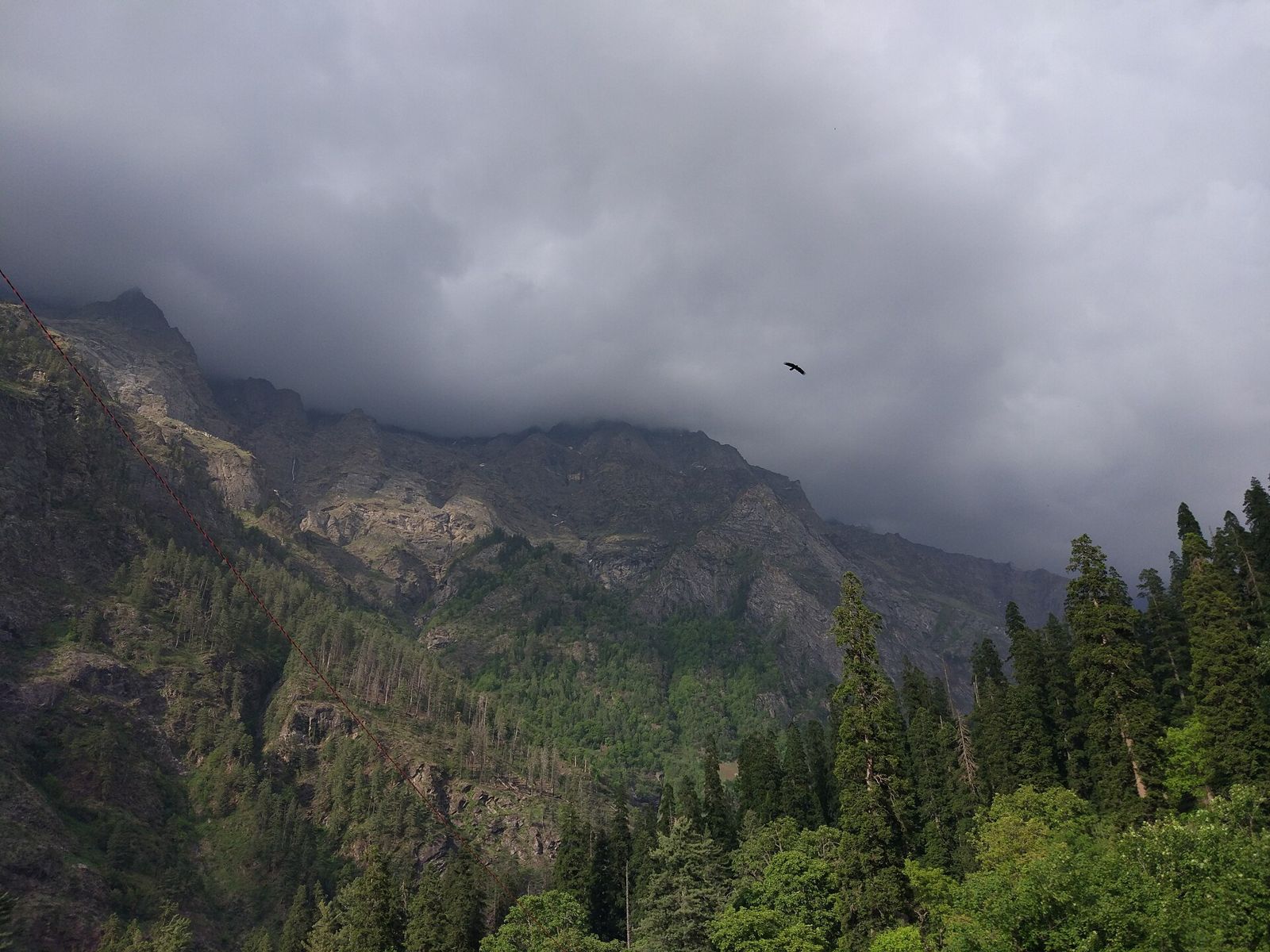
Kheerganga Trek
A short forest-and-waterfall walk to a natural sulphur hot spring at 2,960 m — the easiest way into the Parvati Valley.
Easy
The classic Parvati Valley beginner trek, ending in a snow slide that can run a full kilometre.
Sar Pass is the trek most people in Himachal do first, and there is a good reason for it. In five days it gives you every kind of Himalayan terrain — deodar and rhododendron forest, an old stone village, three separate high meadows, a snowy ridge camp and a 4,200 m pass — without ever becoming technical.
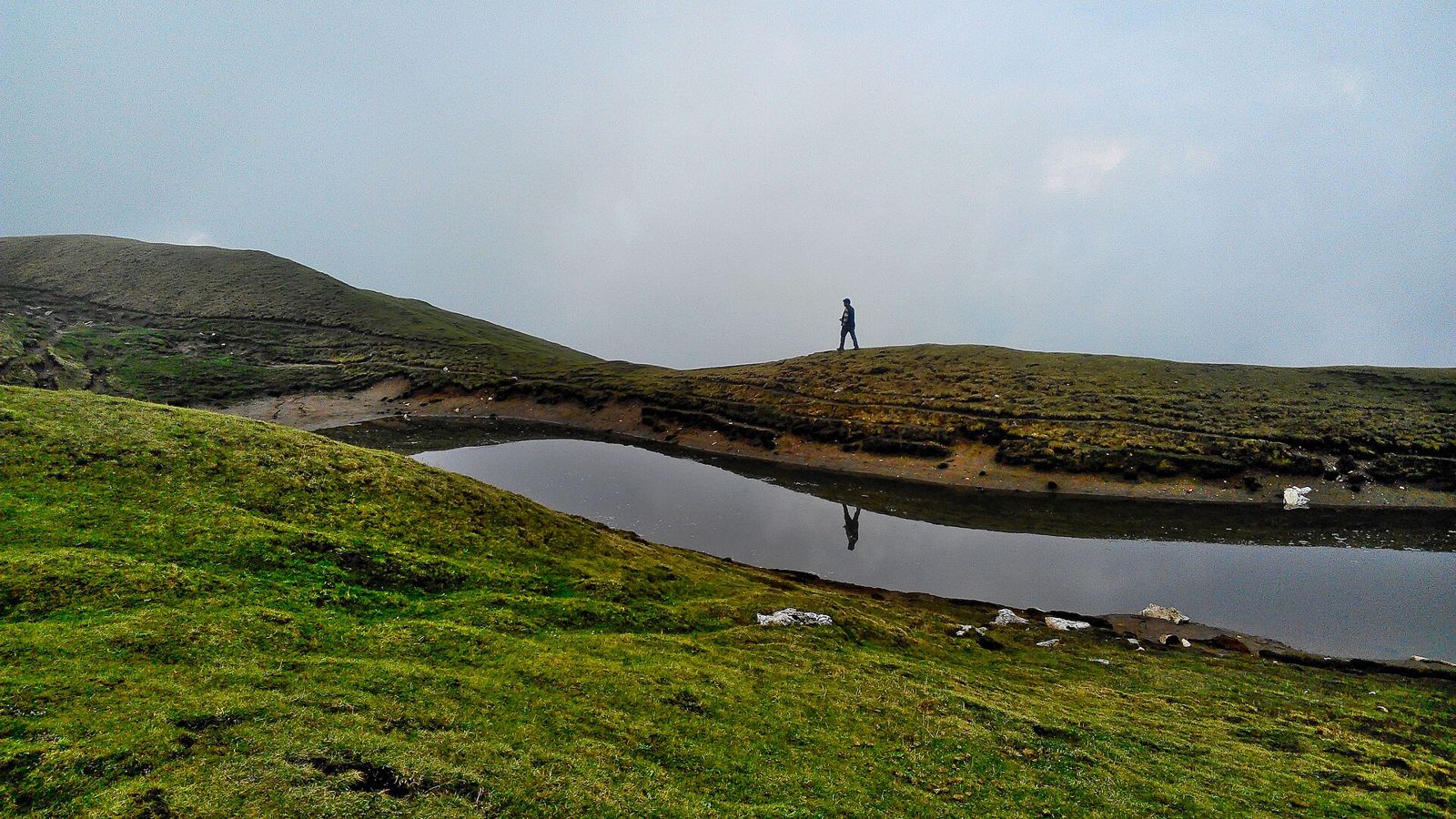
The trail starts from Kasol in the Parvati Valley, climbs to Grahan village, and then works up through Min Thach and Nagaru to the pass. "Sar" means pond in the local dialect; the small tarn just below the pass stays frozen well into summer.
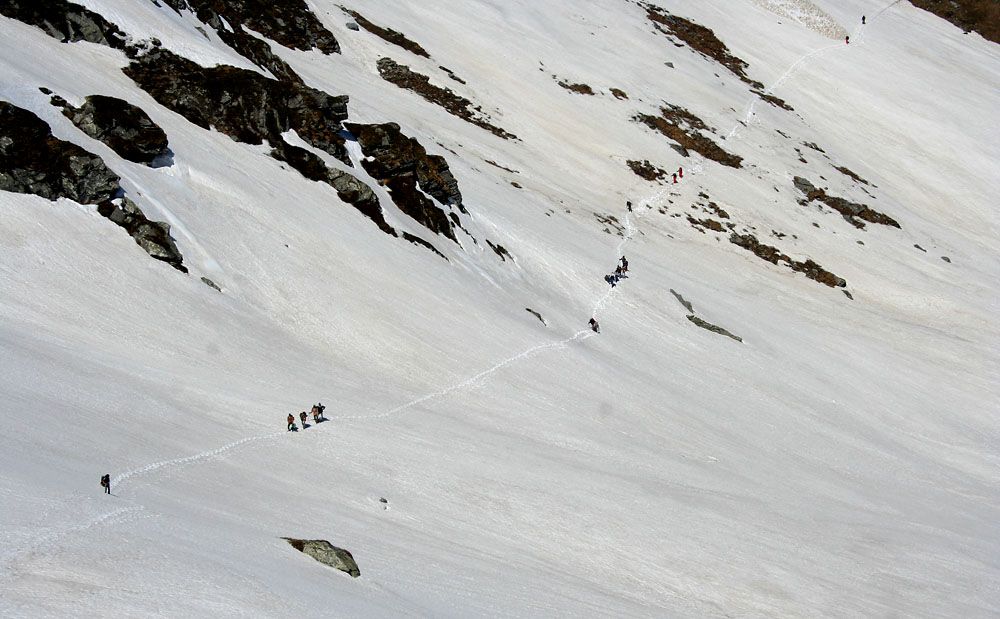
The single most famous moment is the descent. From the top of the pass you sit down and slide, sometimes for a full kilometre, straight down the snow towards Biskeri Thach. The last day drops through pine forest and waterfalls to the road at Barshaini.
| Duration | 5 Days |
|---|---|
| Total distance | ~49 km |
| Maximum altitude | 4,200 m (13,799 ft) |
| Difficulty grade | Easy – Moderate |
| Best season | April – June, Sept – Oct |
| Base / start point | Kasol, Parvati Valley |
| End point | Barshaini / Bursheni |
| Suitable for | Fit beginners, first-time Himalayan trekkers |
| Starting from | ₹8,500 per person |
A traditional Himachali village of wood and stone, reached on the first day up the Grahan nalah from Kasol.
A grassy shoulder at 3,400 m with open views to Chanderkhani and the Beas valley ranges.
The high, exposed, windy camp at 3,800 m — cold, spectacular, and the launch point for the pass.
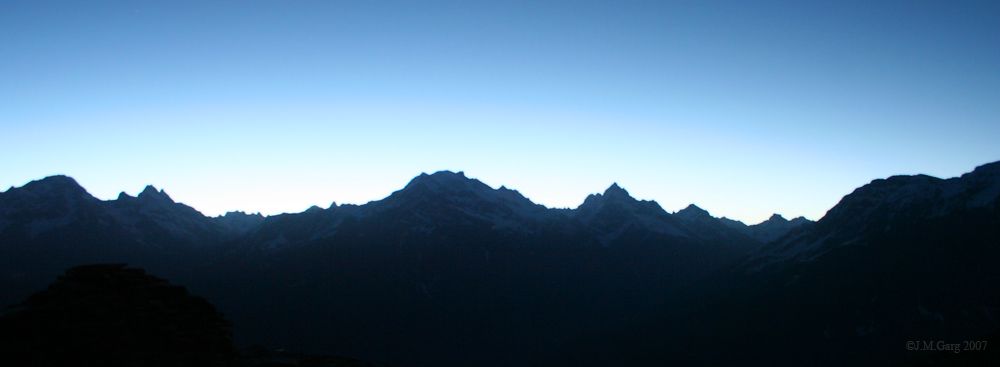
Views into the Tosh valley and a full ring of snow-covered peaks.
Depending on conditions the descent from the pass includes slides of up to a kilometre — the reason half the group signs up.
A wide green meadow on the far side, then pine forest, grassland and waterfalls down to Bursheni.
Distances and timings are guidelines. Your trek leader may adjust the plan for weather, snow or group pace.
10 km trek · 4–5 hours · 1,700 m to 2,350 m
7 km trek · 4–5 hours · 2,350 m to 3,400 m
8 km trek · 4–6 hours · 3,400 m to 3,800 m
14 km trek · 6–8 hours · 3,800 m to 4,200 m to 3,350 m
10 km trek · 4–5 hours · 3,350 m to 2,200 m
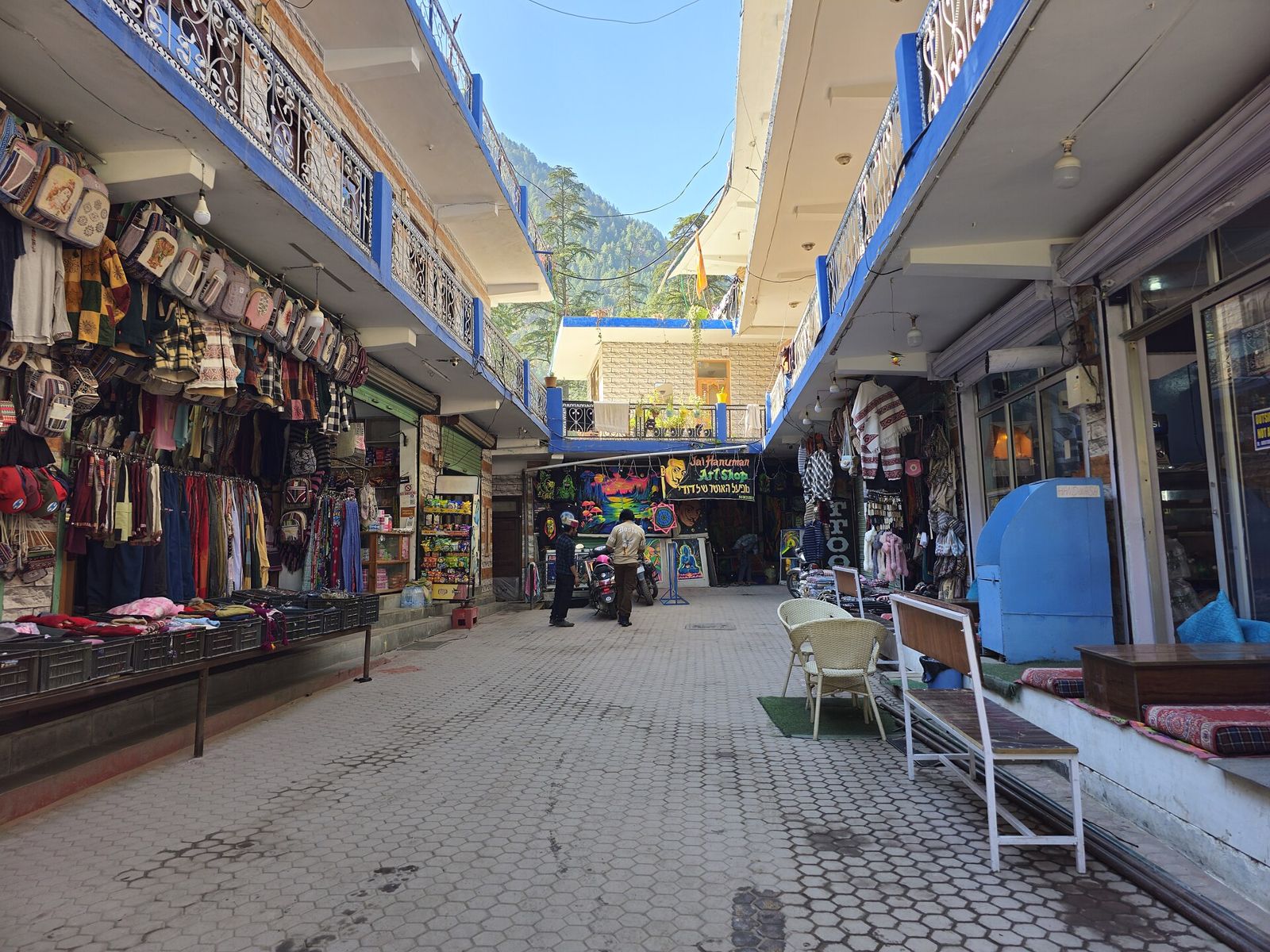
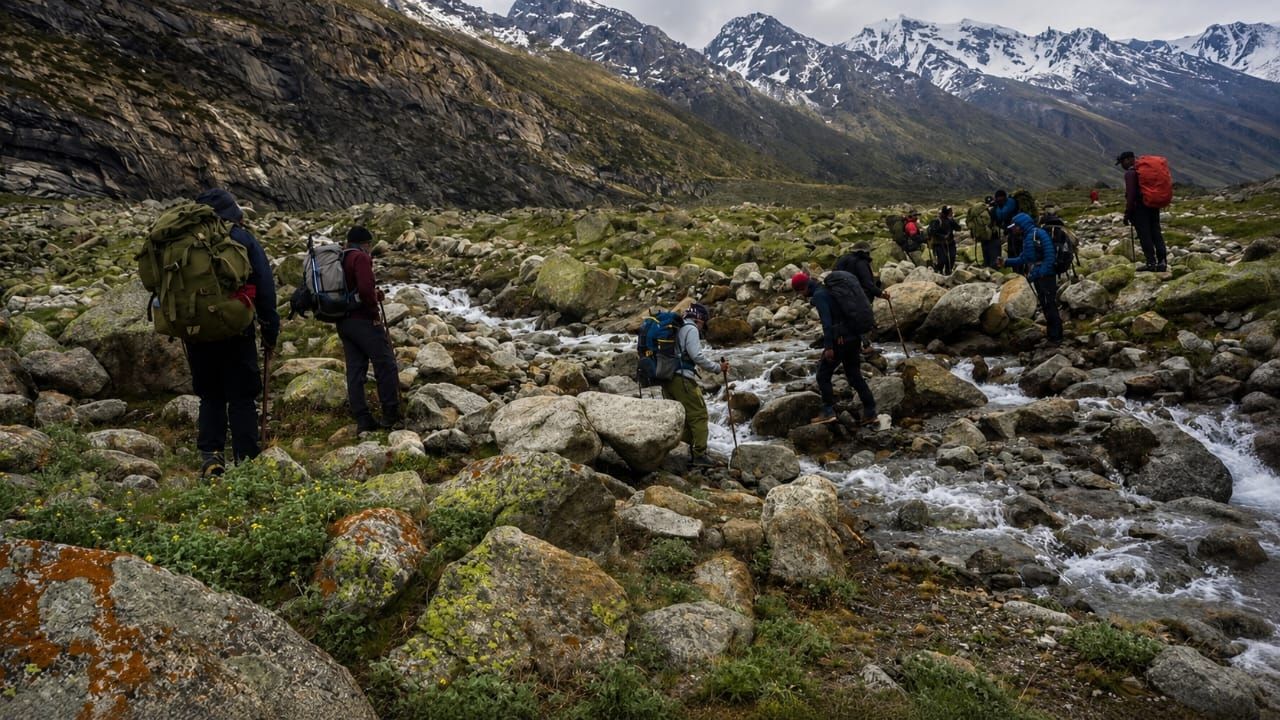
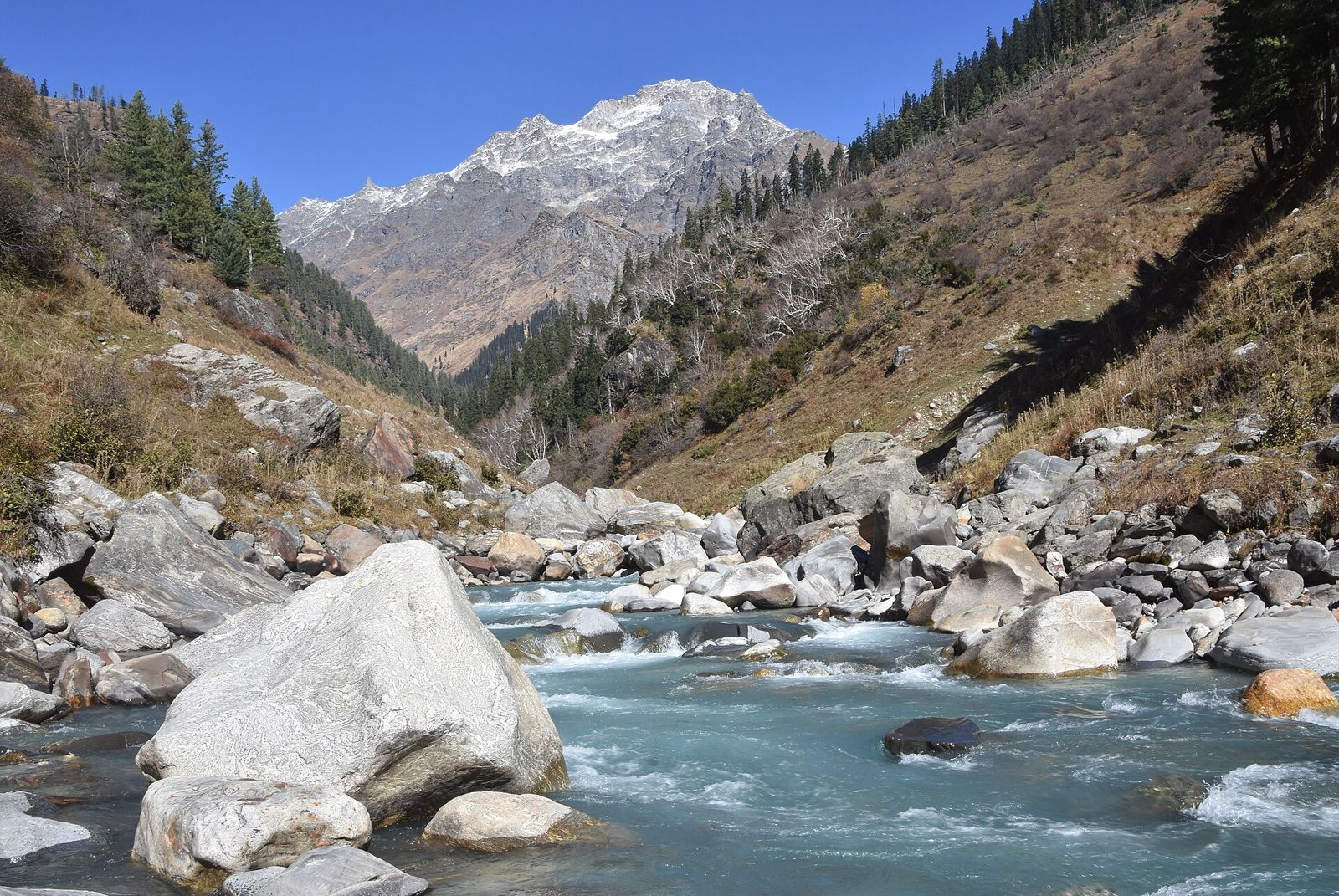
Exactly what your trek fee covers, and what it does not. No surprises at the road head.
Monk Trails provides: Tent · Sleeping bag · Sleeping mat · Dining tent · Kitchen tent · Microspikes (when required) · Safety equipment · First aid kit
Clothing, footwear, trekking gear, documents and medication — we keep one master checklist for every Monk Trails route, with notes on what to leave at home.
Tents, sleeping bags, sleeping mats, dining and kitchen tents, microspikes and safety equipment are provided by us. You only need to bring personal kit.
Full packing checklist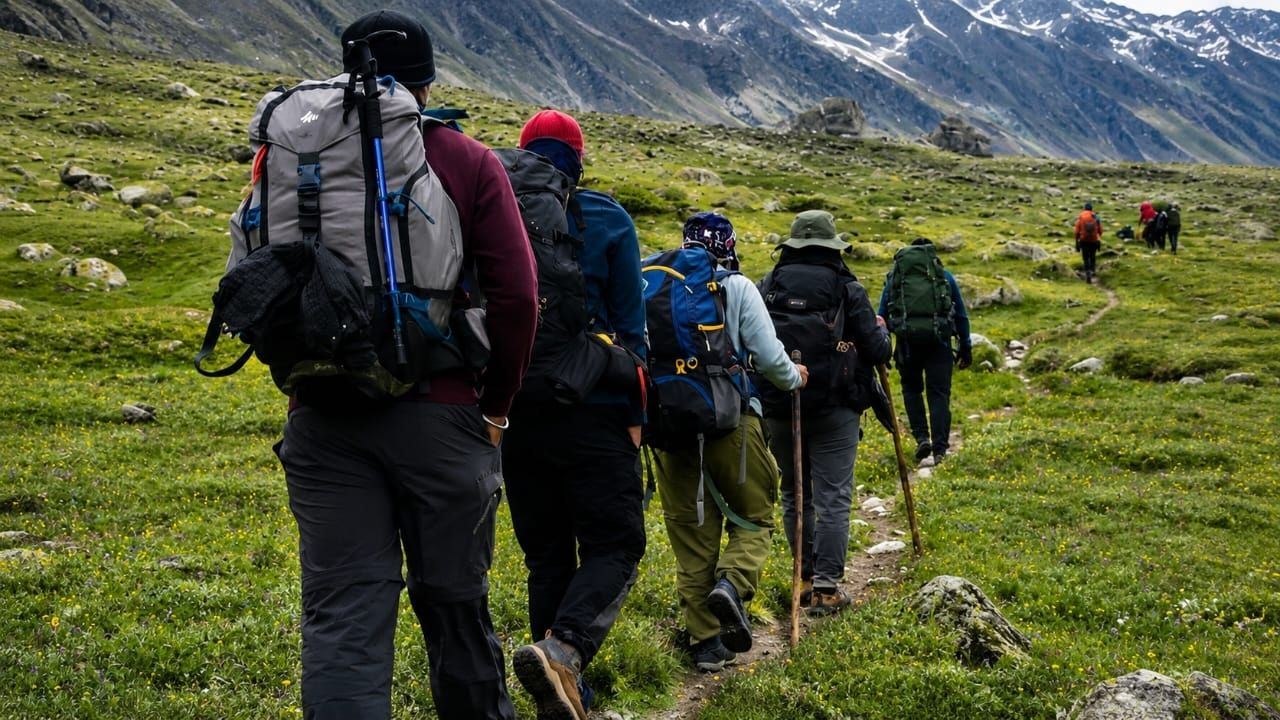
Yes. It is graded easy-moderate and is one of the most popular first Himalayan treks in India. You should be able to jog 4 km in about 30 minutes before you start.
Sar Pass is at roughly 4,200 m (13,799 ft). The full loop from Kasol to Bursheni is around 49 km over five days.
Spring — roughly April to mid-June — gives the best snow for the slide descent. Late September and October are clearer but with much less snow. December to February is not recommended because of heavy snow on the route.
It is done under trek-leader supervision on a controlled slope, and the run is only opened when snow conditions allow. If conditions are poor we walk the descent instead.
We take trekkers from 10 years upward on Sar Pass, provided they are accompanied and reasonably fit.
A short forest-and-waterfall walk to a natural sulphur hot spring at 2,960 m — the easiest way into the Parvati Valley.
Easy
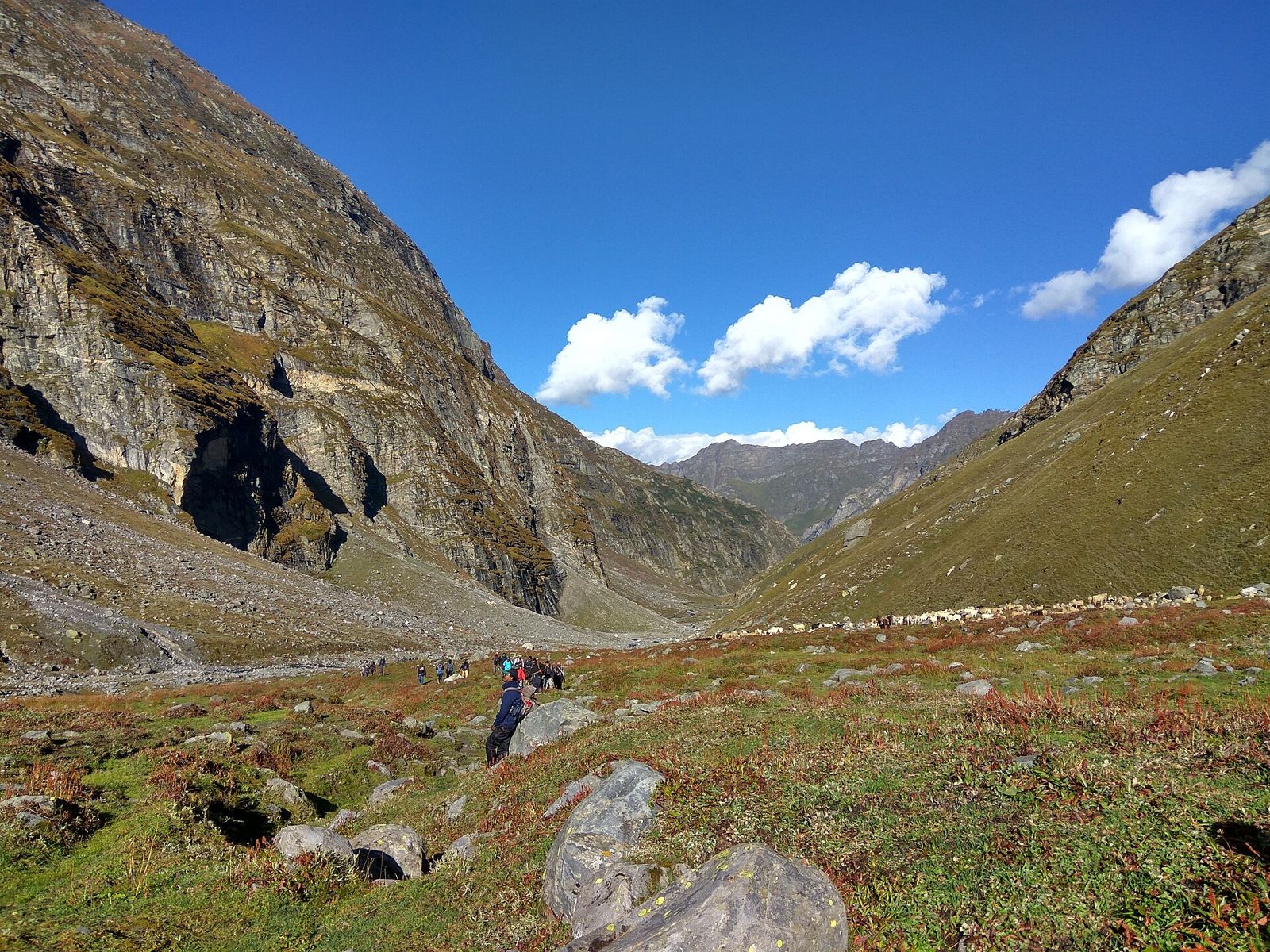
The most dramatic short crossover in the Indian Himalaya: green Kullu on one side, the grey desert of Lahaul on the other.
Moderate
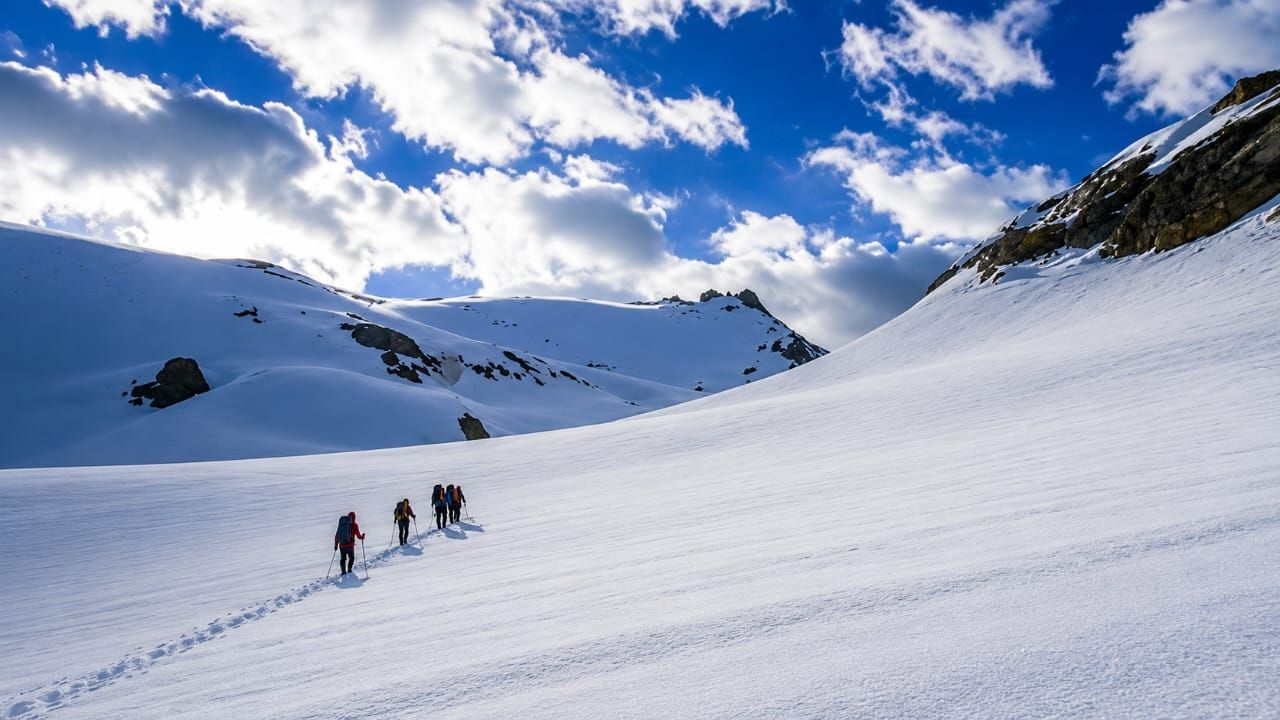
The crossover expedition that links green Parvati Valley to the cold desert of Spiti over a 5,319 m glaciated pass.
Very Difficult
Altitudes and distances are approximate and vary slightly by route and operator. Trek difficulty: Easy – Moderate. Best time: April – June, Sept – Oct.
Small fixed-departure groups. Certified trek leaders. Permits, camps and meals sorted. Tell us your dates and we will hold a slot.
Enquire & Book